
Wireless Earbuds Private Label Project Timeline
private label wireless earbuds timeline decisions should be based on verifiable specifications, representative samples, documented quality control, accurate packaging, and clear commercial terms. This independent buyer guide is designed for retailers, distributors, corporate-gift planners, online sellers, and procurement teams. It explains how to compare an offer without treating a product photograph or a low unit price as complete evidence.
Дата последнего обзора: August 21, 2026. Editorial method: the recommendations below translate common purchasing controls into a repeatable checklist. Exact specifications, availability, compliance, warranty, and delivery terms must be confirmed for the actual order. Brand names are used only to identify buyer search intent; no manufacturer authorization or affiliation is implied.
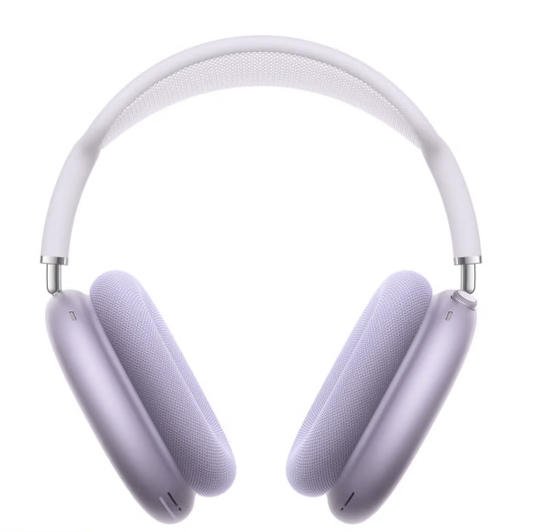
private label wireless earbuds timeline: Quick Buyer Summary
A strong private label wireless earbuds timeline process has five foundations: define the use case, approve a traceable sample, document the specification, agree on inspection and warranty terms, and calculate total landed cost. The supplier should be able to explain what is included, what can change, how defects are handled, and which claims are supported by current documents.
| Decision area | Evidence to request | Buyer action |
|---|---|---|
| Product identity | Model reference, current photos, written specification | Match the offer to the sample |
| Quality | QC checklist, batch evidence, inspection results | Define pass and fail criteria |
| Commercial terms | MOQ, lead time, warranty, Incoterms | Record terms before payment |
| Customer communication | Verified features, included items, limitations | Publish accurate, reviewable content |
1. Define the buying objective for private label wireless earbuds timeline
Start by writing down the customer, sales channel, target price band, required functions, packaging format, delivery window, and after-sales expectation. A precise brief prevents suppliers from quoting products that look similar but use different components or include different accessories. For this private label wireless earbuds timeline project, keep the wording tied to the actual SKU and planned market.
Separate essential requirements from preferences. This makes negotiations clearer and gives the inspection team an objective standard. If a feature is important enough to advertise, it should appear in the approved specification and sample record. This evidence also improves E-E-A-T because the resulting article explains a transparent method, acknowledges limits, and helps readers make a decision.
2. Build a specification sheet for private label wireless earbuds timeline
Record model references, dimensions, color, materials, controls, charging method, included items, app or account requirements, labeling, and carton details. Treat photographs as supporting evidence rather than a complete specification. For this private label wireless earbuds timeline project, keep the wording tied to the actual SKU and planned market.
Ask the supplier to confirm every uncertain item in writing. Avoid copying claims from another listing. Product generations, firmware, regional support, and packaging can change, so the current order document should be the source of truth. This evidence also improves E-E-A-T because the resulting article explains a transparent method, acknowledges limits, and helps readers make a decision.
3. Approve a representative sample for private label wireless earbuds timeline
Test a normal production sample instead of relying on a presentation unit. Photograph the sample, record device names and setup steps, and keep notes for comparison with the shipment. For this private label wireless earbuds timeline project, keep the wording tied to the actual SKU and planned market.
Use the sample in realistic situations: setup, daily handling, calls or listening, charging, standby, cleaning, storage, and device switching where relevant. These observations support useful content without turning informal checks into laboratory claims. This evidence also improves E-E-A-T because the resulting article explains a transparent method, acknowledges limits, and helps readers make a decision.
4. Compare MOQ and quotation levels for private label wireless earbuds timeline
Request prices for a sample, a trial quantity, and a repeat-order quantity. Ask how color, customization, packaging, accessories, and stock status change the MOQ. For this private label wireless earbuds timeline project, keep the wording tied to the actual SKU and planned market.
A low quote can exclude inspection, protective packaging, documentation, spares, or after-sales support. Compare quotations line by line and calculate landed cost instead of choosing only by unit price. This evidence also improves E-E-A-T because the resulting article explains a transparent method, acknowledges limits, and helps readers make a decision.
5. Create a pre-shipment QC plan for private label wireless earbuds timeline
Define appearance, function, accessory, packaging, and carton checks before production. State the sample size, acceptance criteria, evidence format, and process for resolving failures. For this private label wireless earbuds timeline project, keep the wording tied to the actual SKU and planned market.
Useful evidence includes dated photographs, short videos, count sheets, label close-ups, and results tied to the purchase order. For larger orders, consider an independent inspection appropriate to the value and risk. This evidence also improves E-E-A-T because the resulting article explains a transparent method, acknowledges limits, and helps readers make a decision.
6. Verify packaging and labeling for private label wireless earbuds timeline
Check retail boxes, inserts, manuals, barcodes, warnings, included items, and master-carton labels against the approved proof. Packaging should protect the product and describe it accurately. For this private label wireless earbuds timeline project, keep the wording tied to the actual SKU and planned market.
Do not print unsupported superlatives, performance figures, certifications, compatibility promises, or brand relationships. Importers and resellers should confirm applicable destination-market requirements with qualified professionals. This evidence also improves E-E-A-T because the resulting article explains a transparent method, acknowledges limits, and helps readers make a decision.
7. Plan shipping and landed cost for private label wireless earbuds timeline
Estimate freight, insurance, duty, tax, brokerage, inspection, payment costs, storage, damage allowance, and return reserves. Confirm Incoterms and identify who is responsible at each handoff. For this private label wireless earbuds timeline project, keep the wording tied to the actual SKU and planned market.
Products containing batteries may require specific documents, packaging, labels, and carrier acceptance. Obtain current guidance from the carrier, broker, and relevant authorities before dispatch rather than relying on an old shipment. This evidence also improves E-E-A-T because the resulting article explains a transparent method, acknowledges limits, and helps readers make a decision.
8. Define warranty handling for private label wireless earbuds timeline
Write defect categories, reporting windows, evidence requirements, replacement or credit methods, shipping responsibility, and exclusions into the commercial agreement. For this private label wireless earbuds timeline project, keep the wording tied to the actual SKU and planned market.
Keep a small service reserve when fast customer replacement matters. Track failures by model and batch so supplier discussions rely on organized evidence and future orders can include corrective actions. This evidence also improves E-E-A-T because the resulting article explains a transparent method, acknowledges limits, and helps readers make a decision.
9. Write an accurate retail page for private label wireless earbuds timeline
Use original or supplier-approved images that match the shipment. Explain included items, setup needs, compatibility limits, care, warranty, and the difference between observed behavior and formal specifications. For this private label wireless earbuds timeline project, keep the wording tied to the actual SKU and planned market.
Helpful pages reduce avoidable returns. Add a concise summary, comparison table, questions from real buyers, and links to contact, category, shipping, and policy pages. Review the page whenever the supplied model changes. This evidence also improves E-E-A-T because the resulting article explains a transparent method, acknowledges limits, and helps readers make a decision.
10. Manage repeat orders for private label wireless earbuds timeline
Save the approved sample record, specification, artwork, labels, inspection report, shipment photos, defect log, and supplier correspondence under one SKU. For this private label wireless earbuds timeline project, keep the wording tied to the actual SKU and planned market.
Before reordering, ask whether components, firmware, packaging, tooling, or documentation changed. Re-approve material changes and use sales plus return data to set quantities rather than assuming the previous mix will repeat. This evidence also improves E-E-A-T because the resulting article explains a transparent method, acknowledges limits, and helps readers make a decision.
private label wireless earbuds timeline Decision Checklist
- Define the customer, channel, budget, and required functions.
- Approve a representative sample and record the exact configuration.
- Confirm MOQ, customization, production status, and lead time.
- Agree on inspection criteria and evidence before final payment.
- Check packaging, labels, accessories, manuals, and carton protection.
- Calculate landed cost and reserve for support and returns.
- Publish only claims supported by the current order documents.
- Keep batch records and review changes before every reorder.
Evidence Pack for a High-Confidence private label wireless earbuds timeline Order
A documented private label wireless earbuds timeline brief gives the buyer a stable reference before quotations are compared. The approved private label wireless earbuds timeline sample should remain linked to the written specification and packaging proof. During inspection, the private label wireless earbuds timeline acceptance criteria should match the same evidence pack. After launch, the private label wireless earbuds timeline batch record should connect customer feedback with the supplier response.
Create a compact evidence pack before approving production. Include the dated buying brief, supplier quotation, approved specification, sample photographs, packaging artwork, barcode data, inspection criteria, warranty terms, and shipping responsibilities. Give every document a version number so the factory, inspection team, warehouse, and sales staff can identify the current approval. This prevents an old image, draft manual, or superseded accessory list from becoming the basis of a customer claim.
The evidence pack should distinguish supplier statements, buyer observations, and third-party documents. A short daily-use test can reveal practical issues, but it is not a substitute for accredited testing or formal certification. Record who performed each check, which sample was used, the device and software environment, the date, and any limitations. This transparent method makes private label wireless earbuds timeline content more useful and supports E-E-A-T without inventing expertise or results.
Risk-Based Inspection for private label wireless earbuds timeline
Not every characteristic carries equal risk. Rank checks by customer impact, probability, and difficulty of correction after shipment. Product identity, safety-related documents, charging behavior, core functions, included items, labels, and carton counts normally deserve more attention than minor cosmetic preferences. Agree on measurable acceptance criteria rather than phrases such as high quality or normal performance.
Use a sensible random sample from the actual shipment and preserve evidence for failures as well as passes. If inspection reveals a pattern, pause release until the cause, affected quantity, rework method, and reinspection plan are documented. A discount does not automatically solve a problem that could produce misleading listings, returns, or regulatory exposure.
Customer Support Preparation
Prepare support material before the first sale. Staff should know the setup sequence, charging indicators, included accessories, compatibility limits, cleaning method, reset or troubleshooting steps, and warranty route that apply to the exact SKU. Keep answers concise and avoid promising functions that were not verified for the current model and region.
Classify enquiries separately from confirmed defects. Setup confusion, device permissions, fit preferences, shipping damage, missing accessories, and functional failures may require different responses. Consistent categories improve support speed and produce better evidence for the next private label wireless earbuds timeline order.
Batch and Change Control
Assign each delivery a batch reference linked to the supplier, purchase order, production or stock status, inspection report, carton labels, and receiving date. When customers report an issue, the batch reference makes it possible to look for a pattern instead of treating every case as isolated.
Before a repeat order, request a written change declaration covering components, firmware, materials, dimensions, accessories, packaging, manuals, labels, and production location. Reapprove any change that affects the product page, user experience, inspection method, or destination-market requirements. Stable change control is central to a dependable private label wireless earbuds timeline program.
Post-Launch Review
Review sell-through, customer questions, return reasons, defect evidence, color or model preferences, packaging damage, and support time after launch. Compare the results with the assumptions in the original buying brief. This feedback helps buyers adjust order quantity, safety stock, product-page explanations, packaging protection, and supplier corrective actions.
Schedule the review before the next purchase decision, not after inventory runs out. A documented post-launch review turns real operating experience into better sourcing decisions while keeping claims current and honest.
Frequently Asked Questions About private label wireless earbuds timeline
What should a first-time buyer check first?
Start with a written specification and a representative sample. Confirm the seller identity, product configuration, included items, MOQ, lead time, inspection method, warranty process, and landed-cost assumptions before committing to volume.
Can product photos replace sample testing?
No. Photos help with appearance and packaging review, but they do not establish function, compatibility, battery behavior, comfort, assembly consistency, or the condition of a future production batch.
How can buyers reduce return risk?
Use accurate descriptions, disclose setup and compatibility requirements, inspect the shipment, protect packaging, define troubleshooting steps, and keep replacement stock appropriate to the sales volume.
Does this guide guarantee compliance or authenticity?
No. Buyers must verify product identity, intellectual-property permissions, conformity documents, import rules, labeling, taxes, and sales obligations for their destination market with the relevant supplier and qualified advisers. Review current guidance from the U.S. Federal Trade Commission advertising and marketing resources and the rules applicable to the destination market.
Final Takeaway
The most dependable private label wireless earbuds timeline program combines careful sourcing with honest customer communication. Approve evidence before volume, document changes, and treat quality control plus after-sales planning as part of the cost. For current availability or order-specific details, use the contact page. You can also review the buyer education library and relevant audio product category. For search-content principles, consult Google Search Central’s people-first content guidance.
Disclaimer: This educational article does not constitute legal, customs, safety, certification, or financial advice. Product and brand names belong to their respective owners.
